

Perspective · Team & culture
Why team communication starts outside the meeting room
The strongest teams don't build trust around a conference table. They build it through shared experiences.

- Topic
- Team & Culture
- Audience
- People Leaders · HR · Organizers
- Format
- Perspective
- Depth
- Quick Read
- Reading Time
- 7 min read
- Updated
- June 2026
When organizations want to improve communication, collaboration, or workplace culture, the first instinct is often to schedule another meeting, workshop, or training session.
While these initiatives certainly have their place, some of the most meaningful improvements in team communication happen outside traditional work environments.
As an HR professional, I've seen time and time again that strong relationships are rarely built through presentations and agendas alone. They're built through shared experiences.
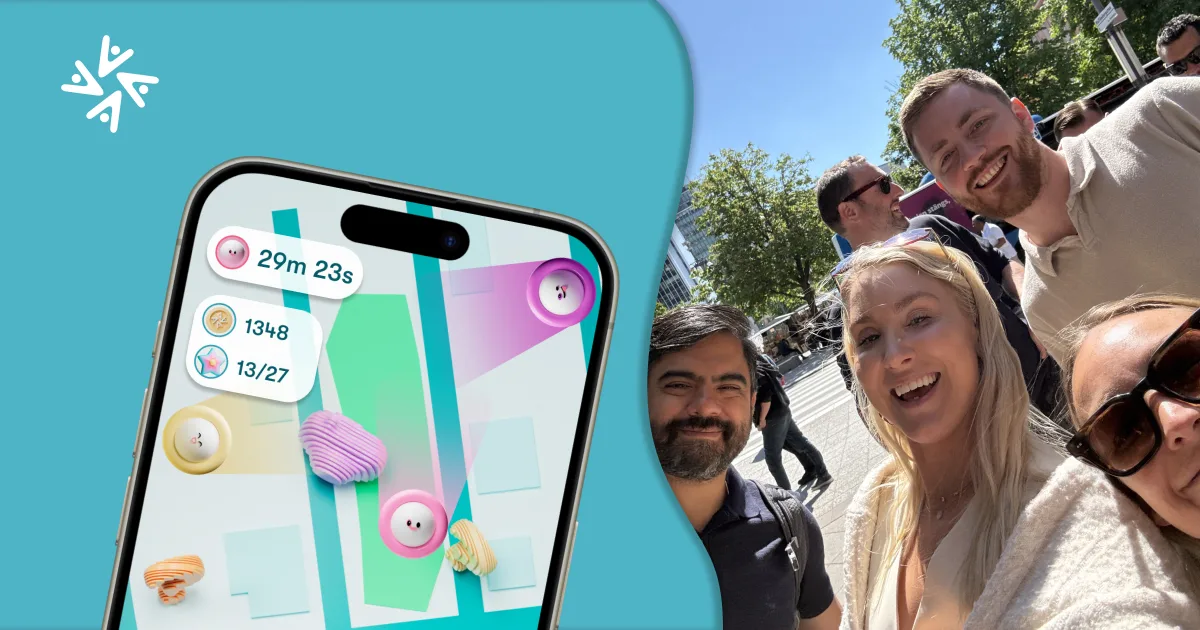
When people are placed in a new environment where they need to solve challenges together, communicate under pressure, explore ideas, and collaborate toward a common goal, something interesting happens. Conversations become more natural. Hierarchies become less important. People start interacting as individuals rather than job titles.
This is one of the reasons interactive team-building experiences can be so effective.
Unlike traditional activities where a few people may dominate discussions while others remain passive, interactive experiences encourage participation from everyone. Team members must communicate, make decisions, share knowledge, and support one another throughout the experience.
Perhaps more importantly, these activities often reveal strengths that aren't always visible in the workplace. The quiet colleague may emerge as a strong leader. The new employee may become the team's problem solver. Someone from a completely different department may offer the insight that helps the team succeed.
These moments help build understanding and trust between colleagues in a way that formal meetings rarely can.
This has become increasingly important in recent years. Many organizations now operate in hybrid or distributed environments where employees spend much of their time communicating through email, chat, and video calls. While technology has made collaboration easier, it has also reduced many of the informal interactions that help build strong workplace relationships.
Without those connections, communication can become more transactional and less human.
Interactive team-building activities help bridge that gap. They create opportunities for employees to connect beyond their daily responsibilities, build shared memories, and develop relationships that continue long after the event itself.
And while the immediate goal may be to create an enjoyable experience, the long-term benefits often extend much further. Teams that know each other better tend to communicate more openly, collaborate more effectively, and navigate challenges with greater trust.
At its core, effective communication isn't just about sharing information. It's about understanding the people you're working with.
That's why some of the most valuable conversations don't happen in the meeting room at all.
Build an activation like this
Your venue. Your brand.
Our engine.
ReadySet powers branded interactive experiences for agencies, brand teams, and enterprise event programs, without the standalone app build.